When Dance Became a Personal Language: Siham Ennajary and the Creation of SAB’R
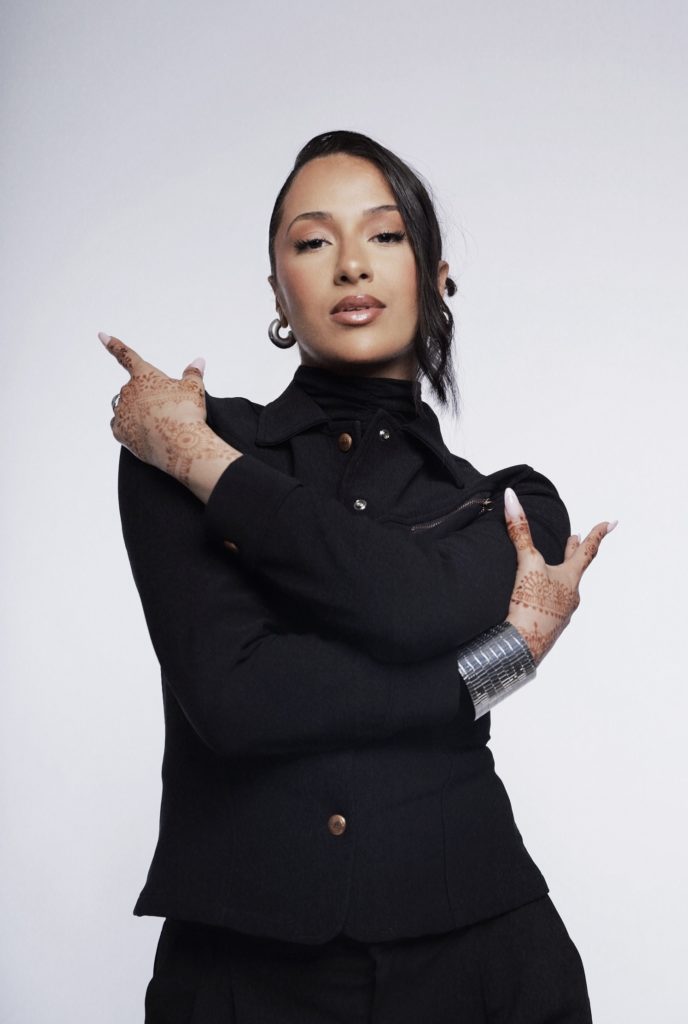
Some artists discover dance through technique. Others discover themselves through it. For Siham Ennajary, dance gradually became more than movement, performance or training. It became a personal language, a way to process emotions, reconnect with her roots, question identity and build community. Through her solo creation SAB’R, she transformed years of searching, healing, and artistic exploration into a deeply intimate work, yet she speaks to something universal.
Finding a Voice Through Krump
Originally from Liège and now based in Brussels, Siham first entered the dance world through hip hop. At eighteen, she joined One Nation Crew, training in different urban styles while trying to understand where she belonged artistically. Although she enjoyed hip hop, something always felt incomplete. She was searching for a style in which she could fully recognise herself, not only technically, but emotionally.
That search eventually led her to Krump, a form she describes as rooted in individuality, honesty and emotion. Unlike environments where dancers often feel pressure to imitate others or fit into fixed aesthetics, Krump allowed her to embrace vulnerability and intensity at the same time. Over the years, she immersed herself in the culture through battles, training sessions and community spaces, eventually becoming part of Ruthless Belgium, a collective of female dancers active within hip hop and Krump culture.
The Origins of SAB’R
As her relationship with movement evolved, dance gradually became a more personal form of expression. During a difficult period in her life, Siham found herself confronting emotional struggles, heartbreak, family history, and questions of womanhood, identity and belonging.
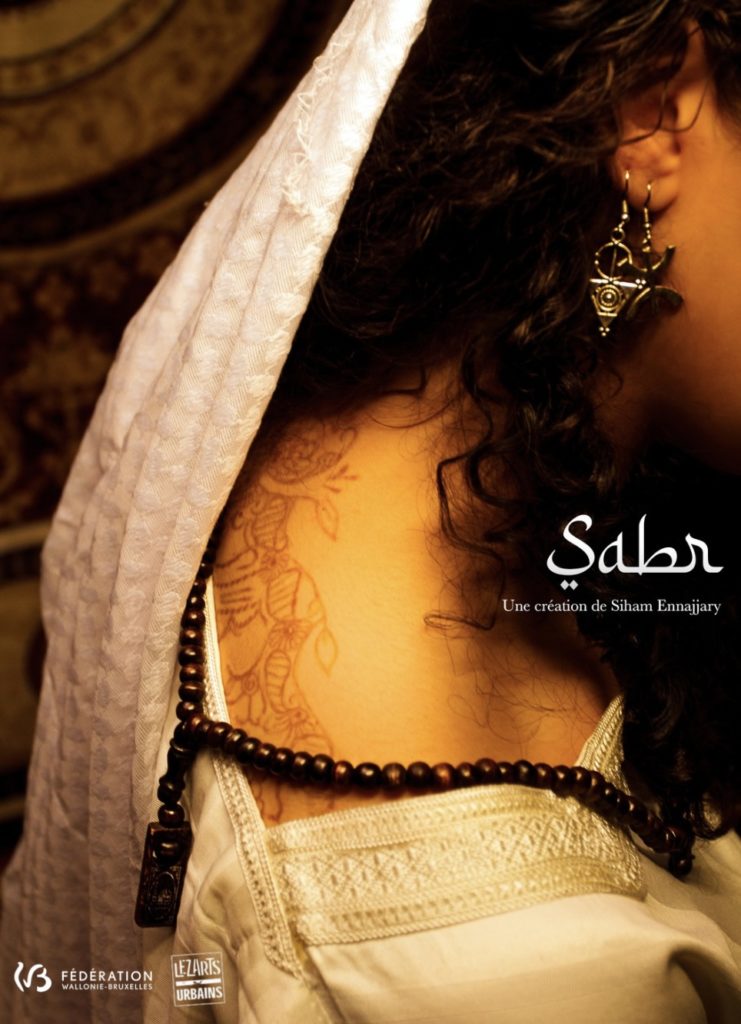
At the same time, she began reconnecting more deeply with her Amazigh roots. She documented her thoughts, asked questions within her family, and wrote poetry to better understand her experiences and heritage. Out of this introspection came the first ideas for SAB’R, a title meaning “patience” in Arabic. Rather than building the project around stereotypes or clichés, she wanted it to remain intimate and truthful to her own experience. Through movement, she began translating emotions she could not always express in words.The creation of SAB’R did not happen overnight. It developed slowly, through encounters, opportunities and support systems that helped shape Siham’s path asThe Origins of SAB’R
As her relationship with movement evolved, dance gradually became a more personal form of expression. During a difficult period in her life, Siham found herself confronting emotional struggles, heartbreak, family history, and questions of womanhood, identity and belonging.
At the same time, she began reconnecting more deeply with her Amazigh roots. She documented her thoughts, asked questions within her family, and wrote poetry to better understand her experiences and heritage. Out of this introspection came the first ideas for SAB’R, a title meaning “patience” in Arabic. Rather than building the project around stereotypes or clichés, she wanted it to remain intimate and truthful to her own experience. Through movement, she began translating emotions she could not always express in words.The creation of SAB’R did not happen overnight. It developed slowly, through encounters, opportunities and support systems that helped shape Siham’s path as an artist. By the age of nineteen, she had already begun working alongside artists such as Justine, Hendrickx Ntela and Mous SARR from Timiss.
Through those early connections, she first heard about Camille and became interested in working with her. Although Camille’s schedule was already full at the time, she encouraged Siham to contact Lezarts Urbains for support. That advice became a turning point. Siham later joined Level-Up, a project organised by Lezarts Urbains and received funding that became the true starting point for her first solo creation. She describes Level-Up as the stepping stone that allowed SAB’R to exist.
Support and Collaboration
Throughout this process, Alison Luca from Lezarts Urbains became one of Siham’s closest supporters and collaborators. During the interview, Siham repeatedly described Alison as essential during moments of doubt and uncertainty. Whenever she questioned whether she was ready to carry out such a personal and ambitious project, Alison helped her structure the process and trust herself as a creator.
Siham explained that Alison became her “go-to,” helping her organise calendars, turn ideas into residency periods and build a concrete artistic process around the work. More than administrative support, their collaboration grew into a relationship based on trust, encouragement and friendship. For Siham, having people who genuinely believed in her vision made all the difference during the demanding process of creating her first solo piece.
Building the Work
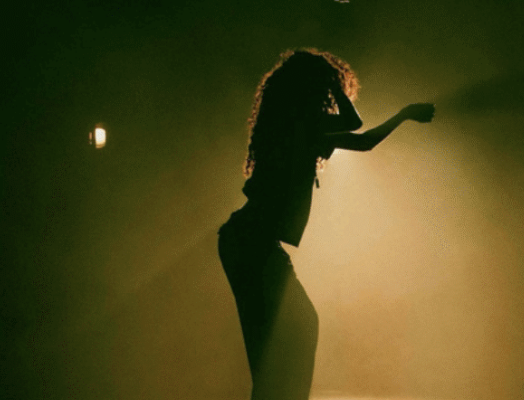
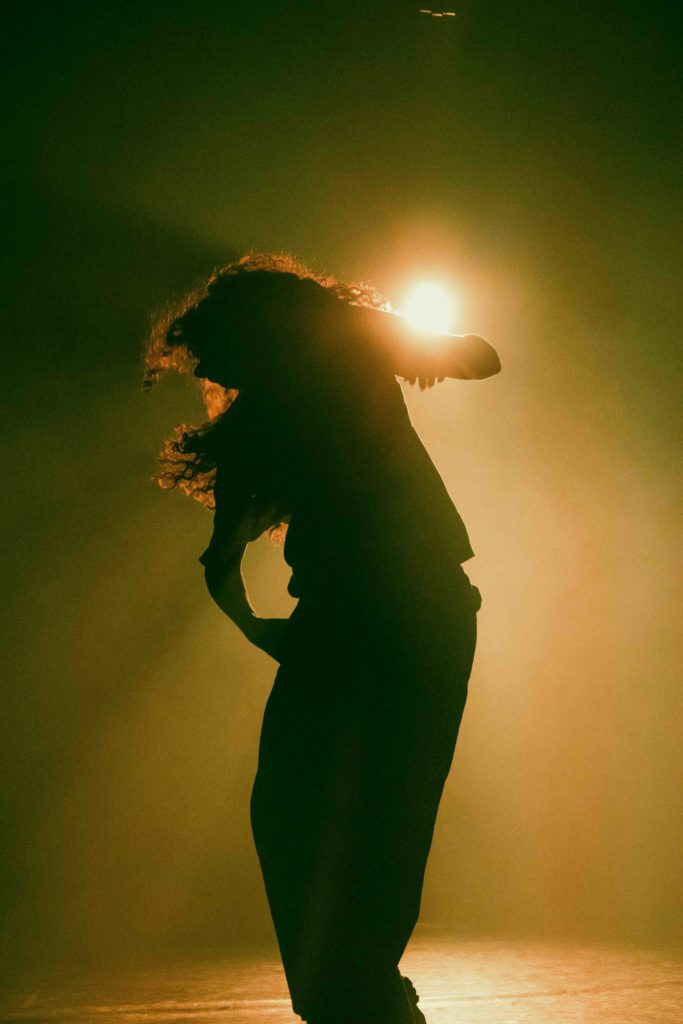
Over nearly three years, SAB’R took shape through research, residencies, experimentation and collaboration. Siham first explored movement and emotional textures before gradually building the music, staging and visual universe around the piece.
The project became deeply connected to her reconnection with Amazigh culture, including research into traditional dances, footwork, ancestral aesthetics and family memories. Rather than reproducing these traditions exactly as they existed, she chose to reinterpret them through her own contemporary language, blending grounded Amazigh influences with the emotional intensity of Krump.
Throughout the process, Siham expressed deep gratitude for the team that helped bring the work to life. Key collaborators include:
Production support: Lezarts Urbains and Alison Luca
Choreography and performance: Siham Ennajary
Outside eye: Dexter (Pierre Claver Belleka)
Sound creation: Céline Ades and La Joconde (Sara El Moutaouaj)
Light creation: Guillaume Bonneau
Tour management: Luna Moncada
Co-production: Détours Festival, Charleroi danse, and Maison des Cultures et de la Cohésion sociale de Molenbeek
Distribution and additional support: Get Down and the Dance Department of the Fédération Wallonie-Bruxelles (Performing Arts)
Although SAB’R emerged from deeply personal experiences, Siham made clear that it became possible because of the people who surrounded and supported her along the way.
Redefining Krump
One of the strongest elements of Siham’s artistic approach is the way she challenges expectations around Krump itself. Often perceived as aggressive or masculine, Krump becomes more layered through her body and artistic language. She brings softness, vulnerability and emotional depth into the form while preserving its intensity and rawness.
Rather than placing herself inside strict categories, she continues searching for ways to expand what Krump can communicate inside theatre spaces and beyond. For Siham, the objective is not necessarily for audiences to understand every detail of SAB’R, but to feel something genuine while watching it.
Challenges and Lessons
The journey behind the work also came with challenges. During the interview, Siham reflected honestly on the emotional weight of leadership, collaboration and responsibility. She described wanting to carry everyone with her and solve problems for the people around her, sometimes at the expense of her own well-being.
Over time, she learned the importance of communication, patience and trusting her team. She also spoke about difficult realities within the performing arts industry, including moments when artists’ needs were not always fully respected despite the amount of work invested in productions. Even through frustration and exhaustion, she continued moving forward, staying connected to the central lesson behind SAB’R: patience.
Community and the Future
Today, Siham continues developing the project while imagining larger possibilities for both her and the communities around her. Together with Get Down and Camille, she hopes to keep building spaces where Krump, Amazigh culture and multidisciplinary artistic practices can come together through performances, discussions, exhibitions and cultural events.
Throughout the conversation, one idea returned: community. Siham spoke about the importance of remaining loyal to the people who supported her from the beginning and of creating opportunities that could help others grow as well.
Legacy and Meaning
At the end of the interview, when asked how she would want to be remembered after achieving all her dreams, her answer remained deeply simple and human. She said she wanted people to remember that she was there for others, for her family, friends, community and collaborators.
She also spoke about remaining loyal to her people and never forgetting where she came from, especially within Krump culture, where community is essential. Siham acknowledged the people who helped shape her journey, including Alison Luca and Mouss Sarr and expressed the hope of becoming that same kind of support for others: someone who opens doors, uplifts those around her and succeeds with her community rather than apart from it.
That is perhaps what makes SAB’R resonate so strongly. Beneath the choreography, lights and performance is not only an artist creating work, but a woman transforming patience, vulnerability and community into movement and inviting others to grow alongside her.
Siham Ennajary chose dance because it was the only language in which she could say everything. Three years on from the first residency, the first win, the first breakdown and recovery, she is still learning how to say it better. And the stage, it turns out, is only the beginning.